The travel and hospitality industry, especially cruise lines, faces a unique challenge: reaching a global audience while maintaining a personalized experience. Effective SEO for travel and hospitality is crucial to ensuring a cruise line's online visibility and attracting potential customers from around the world. However, understanding online marketing can be daunting. This article provides a practical guide to optimizing search engine rankings, focusing on strategies that are both cost-effective and tailored to the unique needs of the cruise industry. We'll explore everything from keyword research and content optimization to advanced tactics and future trends, ensuring your cruise line connects with its target market in a meaningful way.
- Understanding Global Cruise Traveler Behavior
- On-Page SEO for Cruise Websites: Best Practices
- Optimizing Cruise Content for Search Engines
- Off-Page SEO Strategies for Travel and Hospitality
- Measuring Success: Cruise Line SEO Analytics
Understanding Global Cruise Traveler Behavior

Understanding global cruise traveler behavior is crucial for any cruise line looking to optimize its online presence and attract a diverse, international audience within the travel and hospitality sector. Cruise vacations appeal to a broad spectrum of travelers, each with unique preferences and search behaviors. By examining these patterns, cruise lines can tailor their SEO strategies for travel and hospitality, ensuring they reach the right customers at the right time.
This initial phase is a critical time to capture their attention, as travelers are often undecided between various options. Implementing robust keyword research tools, such as those offered by Google, allows cruise lines to identify relevant terms and phrases that potential customers are using, enabling them to create content that addresses these specific needs and interests.
For optimizing for nearby attraction SEO, cruise lines can leverage their unique position. As destinations are a key selling point, creating location-specific content that highlights nearby attractions, cultural events, or natural wonders can significantly enhance SEO. A cruise line could develop blog posts or visual media showcasing the top 10 things to do in a particular port, enticing travelers to choose their ship for a more immersive experience. By combining these experienced hotel ranking strategies with relevant local keywords, cruise lines can boost their visibility on search engines and attract customers seeking authentic travel experiences.
Professional hospitality SEO matters in maintaining a strong online presence. As the travel and hospitality industry is highly competitive, regularly reviewing and updating SEO tactics is essential. This includes staying abreast of algorithm changes, ensuring website speed and mobile-friendliness, and utilizing structured data (like Schema.org) to enhance rich snippets. By adopting these practices, cruise lines can compete effectively on a global scale, ensuring their website ranks highly when potential travelers are searching for their next adventure.
On-Page SEO for Cruise Websites: Best Practices
Optimizing a cruise line's website for on-page SEO is a critical step in reaching a global audience, especially for those looking for affordable cruise line optimization. For travel planning, many potential passengers turn to their devices for information on destinations and bookings, making a well-optimized website crucial. A simple Google search for "affordable cruise options near me" can yield a wealth of information, and your website needs to be among the top results.
Focusing on key elements ensures your site provides a seamless user experience while also signaling to search engines that your content is relevant and valuable. Start with a solid foundation using tools like Google Search Console and Google Analytics to monitor and optimize your site's performance. Keyword Research Tools can help identify the phrases travelers are using to search for cruises, allowing you to tailor content accordingly. Targeting long-tail keywords like "family-friendly cruises near me" can attract a more specific audience.
On-page optimization involves a strategic approach to content creation and structure. Ensure each page has a clear and unique focus, using relevant keywords naturally throughout. Implement structured data markup (Schema.org) to provide search engines with more context about your content. For cruise lines, this could include information on specific ships, itineraries, and amenities. Rich snippets and local SEO practices, like optimizing for Google Maps, can enhance visibility and attract nearby travelers seeking emergency hotel search optimization. By implementing these best practices, your cruise line's website will not only rank higher in search engine results but also connect with a broader, global audience.
Optimizing Cruise Content for Search Engines

Optimizing online content for search engines is a crucial aspect of digital marketing for the cruise line industry, allowing these travel and hospitality businesses to reach a global audience. In the competitive world of cruise bookings, effective seo for travel and hospitality strategies can significantly impact a line's visibility and overall success. A well-optimized website, coupled with a robust content strategy, ensures that potential travelers easily discover the unique offerings of a cruise line.
At the heart of this strategy lies a balance between professional hospitality seo practices and leveraging user-generated content marketing for hotels. Cruise lines must ensure their websites are technically sound, employing structured data (Schema.org) to provide rich snippets on search engine results pages (SERPs). This includes accurately representing cruise itineraries, amenities, and customer reviews. Rich snippet optimization can display star ratings and prices alongside a cruise line's name, boosting its click-through rate. Integrating local SEO best practices, such as optimizing for Google My Business, is vital for lines operating in multiple ports and destinations.
Travel booking sites play a significant role in the conversion rate optimization of cruise lines. By understanding the search behavior of travelers and implementing strategic keyword research, cruise lines can ensure their content ranks for relevant search queries. Optimizing blog posts and visual media (like videos and photo galleries) with targeted keywords can increase organic traffic. When crafting content, cruise lines should aim to provide valuable, informative, and engaging material that answers travelers' questions and inspires bookings. This includes showcasing unique experiences, sharing customer testimonials, and offering travel tips-all while incorporating relevant keywords naturally.
As the digital landscape evolves, staying abreast of emerging trends like voice search is essential. Implementing seo strategies that cater to voice search queries can broaden a cruise line's online reach. This involves optimizing content for long-tail keywords and considering how travelers might phrase their search queries when using voice assistants. By adapting their seo for travel and hospitality strategies to include these insights, cruise lines can future-proof their online presence and maintain a competitive edge in the global travel market.
Off-Page SEO Strategies for Travel and Hospitality
Off-page SEO is a crucial component of a comprehensive travel and hospitality marketing strategy, particularly for cruise lines aiming to reach a global audience. Unlike on-page optimization, which focuses on content within your website, off-page SEO involves actions taken outside your site to enhance your search engine rankings. For cruise lines, this means leveraging external factors to increase brand visibility, build trust, and ultimately drive bookings.
One of the most effective off-page SEO strategies for travel and hospitality businesses is earning high-quality backlinks from reputable websites. This can be achieved through various means, such as contributing guest posts to travel blogs, securing media mentions in industry publications, or partnering with local tour operators for mutually beneficial content creation. A cruise line could collaborate with a popular travel vlogger to create an engaging video series showcasing unique destinations, which would naturally include links to the cruise line's website. This not only exposes the brand to a new audience but also signals to search engines that the cruise line is an authoritative source of information within the industry.
Leveraging certified travel SEO experts can provide valuable insights and strategies tailored to the unique challenges and opportunities in travel and hospitality. These experts can help optimize cruise line websites for local search, ensuring that the brand appears prominently in results for specific geographic locations. This includes optimizing Google My Business listings, utilizing Schema.org markup for rich snippets, and ensuring the website is mobile-friendly, all of which enhance the user experience and improve cruise line visibility in local search results. By implementing these affordable cruise line optimization tactics, cruise lines can effectively reach and convert potential customers worldwide without breaking the bank.
Measuring Success: Cruise Line SEO Analytics
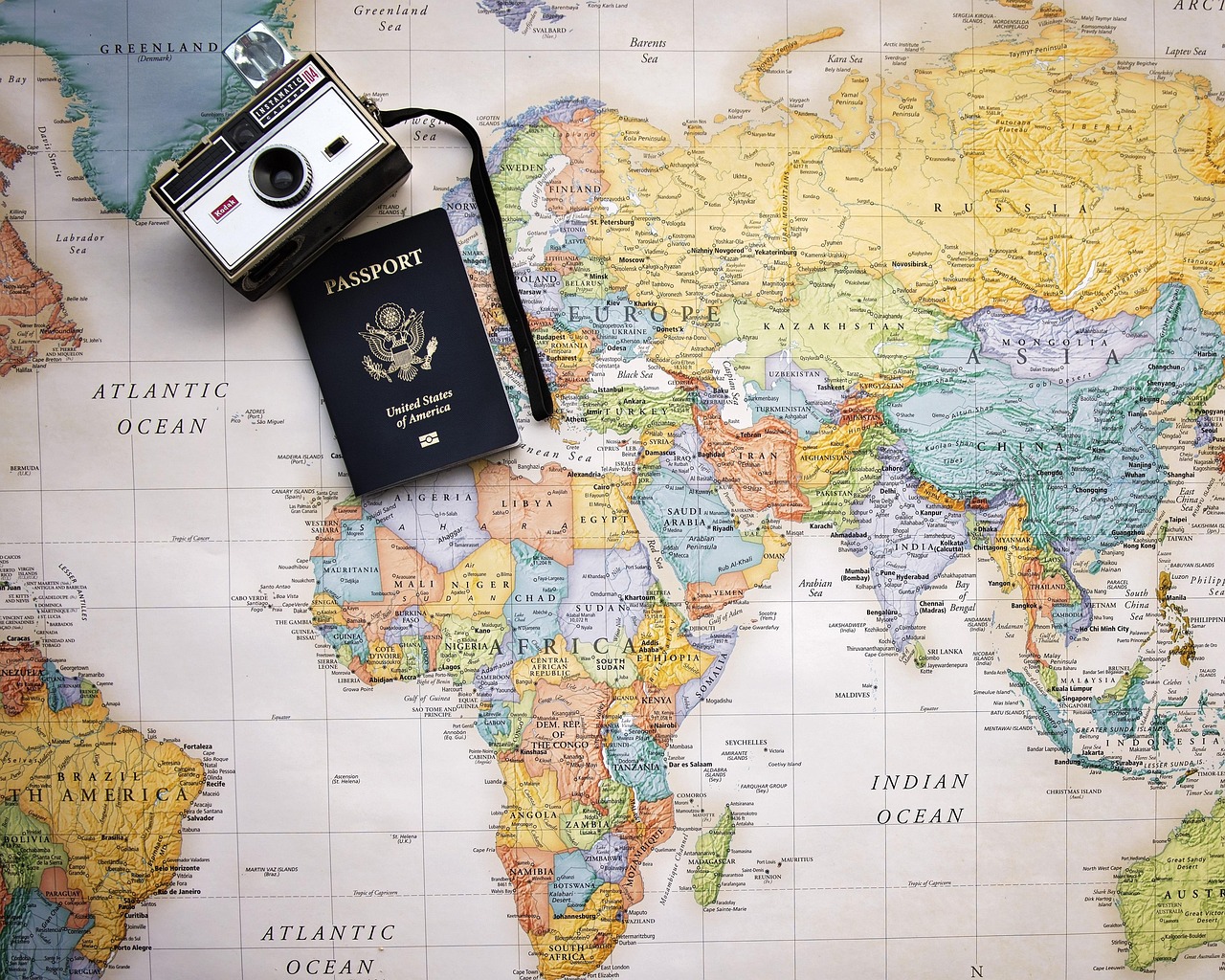
Measuring success is a crucial component of any effective SEO strategy, and this is especially true for the travel and hospitality industry, including cruise lines. For small business travel SEO, understanding the analytics behind your online efforts is key to making data-driven decisions and optimizing your site for global audiences. A cruise line looking to improve its search engine rankings for international travelers must analyze which keywords and content types are driving the most relevant traffic.
Google Analytics and Google Search Console are indispensable tools for any tour operator aiming to excel in niche travel SEO solutions. These platforms provide valuable insights into user behavior, such as bounce rates, time on site, and conversion paths. By examining these metrics, cruise line marketers can identify content gaps, understand user preferences, and tailor their SEO strategies accordingly. If data reveals that a significant portion of organic traffic is from users searching for specific destinations, the cruise line can create location-specific blog posts and optimize their website for these keywords.
Tracking conversions is essential to measure the success of SEO campaigns. Setting up clear goals and funnels in Google Analytics allows cruise lines to evaluate the effectiveness of their SEO efforts in driving bookings or sign-ups. By analyzing the sources of traffic leading to these conversions, operators can determine which marketing channels and keywords are most successful in reaching their target audience. This data-backed approach ensures that travel SEO strategies are optimized for maximum impact, ultimately reaching a wider global audience.
Understanding global cruise traveler behavior, implementing best practices in on-page SEO, optimizing content for search engines, and employing off-page strategies like affiliate marketing and email campaigns are crucial steps in enhancing a cruise line's online visibility. By measuring success through analytics tailored to the travel and hospitality industry, such as Google Analytics and Google Search Console, companies can fine-tune their SEO for travel and hospitality. These insights empower cruise lines to reach a global audience, ensuring their websites rank higher and attract more potential travelers. Moving forward, staying informed about future trends, like voice search and improved URL structures, will be key to maintaining a competitive edge in the changing digital landscape of travel marketing.
Cruise Line SEO: A Practical guide for Global Reach
- Understand Global Traveler Behavior: Optimize for diverse audiences by researching and addressing international search behaviors, preferences, and keywords.
- On-Page SEO: Utilize keyword research tools, structured data (Schema.org), and best practices for content creation and website structure to enhance search rankings.
- Hospitality SEO: Implement professional SEO strategies, monitor algorithms, ensure website speed, and use structured data for rich snippets to stay competitive.
- Off-Page SEO: Earn high-quality backlinks through collaborations, media mentions, and locally optimized content to boost brand visibility and trust.
- Data-Driven Decisions: Leverage Google Analytics and Search Console to analyze user behavior, identify content gaps, and optimize SEO strategies for maximum global impact.